
Flea and Tick Control for Homes and Yards in Fort Worth and White Settlement
Fleas are controlled by treating three things together: your pets, the inside of your home, and the shaded spots in your yard where pets rest. Ticks are controlled mostly by changing the yard so they have fewer places to wait, and by checking people and pets after time outdoors. A pest control technician can look at your property, find where the problem is actually coming from, and explain the options.
You can book online or call (817) 715-2595 to set up an inspection with Spyder Pest Solutions.
How do I know if I have fleas or ticks at home? #
The clearest sign of fleas is a pet that scratches more than usual, along with small dark specks in its fur or bedding. Ticks are usually found directly on a pet or person, often after time in grass, brush or wooded areas.
Signs of fleas:
- Pets scratching, chewing or grooming more than normal.
- Reddish-black specks (flea dirt) in pet fur or bedding. Place a speck on a damp paper towel. If it smears reddish-brown, it is flea dirt, which is dried blood.
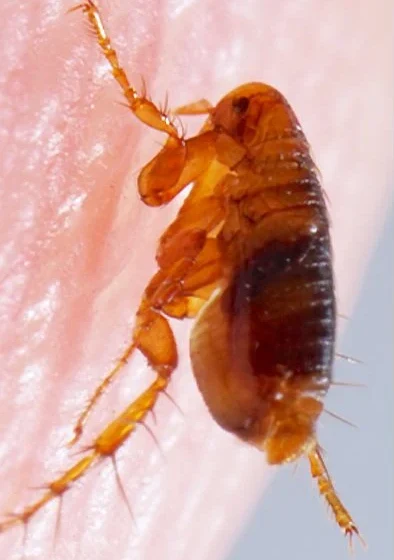
- Tiny, dark, fast-moving insects in pet fur or jumping onto your legs near where pets rest.
- Small, itchy red bumps on your ankles and lower legs.
- Fleas appearing soon after you move into a home that sat empty.
Signs of ticks:
- A flat, eight-legged bug attached to skin, or crawling on a pet or on clothing.
- A tick found on your dog after a walk, even if you never saw it on the grass.
- Ticks showing up repeatedly after time in your own yard. Many people pick up ticks in their own yard or neighborhood.
A flea comb can help you check. Run it through your pet's coat and look at what it catches.
What is the difference between fleas and ticks? #
Fleas are tiny, wingless jumpers that mostly live on pets and breed in the places pets rest. Ticks are flattened, eight-legged bugs that wait on grass and shrubs and climb onto whatever brushes past.
| Fleas | Ticks | |
|---|---|---|
| Size | About 1/8 inch as adults | Varies by species and by how much blood they have taken |
| How they move | Jump up to about 6 inches | Crawl. They cannot jump or fly |
| Where they breed or wait | Pet bedding, carpet, rugs, furniture, moist shaded soil | Grass tips, shrubs, brush, leaf litter, animals |
| Main yard clue | Shaded spots where pets lie down | Tall grass, brush and yard edges |
| Bite pattern | Itchy bumps on ankles and lower legs | Often a single attached tick |
| Weather and season | Larvae do poorly in hot, sunny lawns | Warmer months, mainly spring and summer, per Texas DSHS |
How do I get rid of fleas in my house? #
Getting rid of fleas takes a combined plan: treat the pet, clean the home thoroughly, and treat the pet's resting areas, then repeat the treatment. Texas A&M AgriLife Extension advises treating the pet and its living areas together.
The reason is the flea life cycle. Adults stay on the animal, while eggs drop into carpet, bedding and furniture. Flea larvae hide beneath carpet fibers and feed on the dried blood adults leave behind. They then spin cocoons, and a developed flea can wait inside for up to 5 months until a host passes by. A female can start laying eggs within 2 days of her first blood meal and averages about 27 eggs a day within roughly 4 to 9 days after that.
Here is how to attack each stage:
- Talk to your veterinarian first. Ask which flea control product suits each pet's species and weight. Never put a carpet or yard product on a pet. Flea combs and bathing help with light infestations, but an established infestation also needs the home and yard treated.
- Treat every pet in the household. When every pet stays protected, newly hatched fleas die after jumping on, and the infestation fades over time.
- Vacuum carpets, rugs, sofa crevices and pet sleeping areas often. Vacuuming picks up a share of flea eggs and larvae and removes the dried blood larvae eat. Seal the contents in a bag and put it in an outdoor trash can, because immature fleas can continue to develop in the bag.
- Wash pet bedding regularly, along with throw rugs and pet blankets.
- Skip foggers. University of Kentucky entomologists note that total-release foggers rarely reach the hidden places where larvae live.
- Expect a follow-up. The cocoon shields developing fleas from treatment, so a second round is usually needed. AgriLife's 2025 flea guide recommends one 10 to 14 days after the first. Some fleas may keep appearing for several weeks while the protected pupae emerge. Keep vacuuming, because it stimulates fleas to emerge so treatment can reach them. If adults are still turning up around the 4-week mark, plan on more treatment.
Insect growth regulators, which stop flea eggs and larvae from maturing, are often paired with a product that handles adults, according to AgriLife. Which approach fits your home depends on what a technician finds when they inspect.
For more detail, see Texas A&M AgriLife Extension's guides on how to get rid of fleas and managing fleas.
Can I have fleas if I don't have pets? #
Yes. Wildlife nesting in a building, such as bats, roof rats, squirrels or raccoons, can bring fleas in with them. A home that has sat empty can also "come alive" with fleas when new people or pets arrive, because waiting pupae hatch when they sense a host.
If wildlife is the source, AgriLife recommends an experienced pest control company that can handle the fleas and close up the entry points the animals use. See wildlife control and mice control for Spyder's services on those problems. If rodents are involved, deal with the fleas first. Texas DSHS warns that when rodents die, their fleas go looking for new hosts, which can include your family.
What do flea bites look like, and how do I treat them? #
Flea bites are small, red, itchy bumps, often in clusters of three, mostly on the ankles and lower legs. They can also show up where clothing fits close, such as the waist, thighs and lower abdomen.
Some people are allergic to flea bites and can develop hives, a rash, widespread itching or blisters 12 to 24 hours after a bite. Those reactions can last a week or more.
Location helps tell flea bites from bed bug bites. Bed bug bites can appear on any skin that was exposed while sleeping, such as the face, neck, arms or shoulders, and they often form a zigzag line. If your bites are on exposed upper-body skin and you wake up with them, read about bed bug control.
To treat flea bites at home:
- Try not to scratch, since broken skin can get infected.
- Wash broken skin with soap and water and cover it.
- Use an over-the-counter 1% hydrocortisone cream or an oral antihistamine for itch.
- Hold a towel-wrapped ice pack on the bite for at least 10 minutes.
Check in with a healthcare provider when a bite seems infected, the itching drags on past a few days, or you get fever, headache, body aches or an allergic reaction.
How do I control ticks in my yard? #
Control ticks by making your yard less inviting: remove leaf litter, cut back tall grass and brush, mow often, and keep activity areas away from wooded edges. The CDC says pesticide treatments can reduce tick numbers in treated areas, but spraying alone shouldn't be your only protection.
Yard steps recommended by the CDC:
- Remove leaf litter and clear brush and tall grass near the house and along the lawn's edge.
- Mow the lawn frequently.
- Lay a 3-foot strip of wood chips or gravel where lawn meets woods.
- Stack firewood neatly in a dry spot.
- Set decks and play equipment back from the edges of the yard and from trees.
- Fence the yard to keep deer, raccoons and stray dogs out.
- Haul away old furniture, mattresses and trash that give ticks hiding places.
If dogs are the issue, brown dog ticks are the most common tick in urban areas, according to AgriLife. They live mainly on dogs, tolerate dry conditions, and are often found inside homes and kennels. AgriLife advises having infested animals treated by a veterinarian and notes that ticks like to climb vertical surfaces after feeding. A yard treatment aimed at them should therefore cover house siding, fences and trees as well as the lawn. AgriLife also warns that misapplied tick insecticides can harm pets and children, so follow label directions closely.
Ticks do not fall out of trees or jump. They wait on grass and shrub tips and climb onto a person or animal that brushes past. DSHS says tick activity is highest in the warm months of spring and summer, and Texas A&M notes that tick numbers usually peak in summer and ease in fall.
How do I remove a tick? #
Pull it straight out with clean, fine-tipped tweezers, as close to the skin as you can grip. The CDC says to remove an attached tick right away and not to wait for a medical visit.
- Grasp the tick close to the skin so you don't squeeze its body.
- Pull straight away from the skin with steady, even pressure. Don't twist or jerk.
- If mouthparts break off, remove them with the tweezers if easy. Otherwise leave them alone; the skin typically pushes them out while healing.
- Put a live tick in a sealed container, wrap it in tape, drop it in rubbing alcohol, or flush it. Never crush it with your fingers.
- Clean the bite and your hands with soap and water, rubbing alcohol or hand sanitizer.
Don't try petroleum jelly, nail polish or heat to get it off. The CDC warns these can agitate the tick and push infected fluid into the skin. The same tweezer method works on pets, per AgriLife.
After a tick bite, a small red bump that fades within a day or two is common. If a rash expands, or you get a fever, headache or body aches within several weeks, see a healthcare provider and tell them when and where the bite happened.
What diseases do fleas and ticks carry in Texas? #
Most flea bites are just itchy, but fleas can carry some illnesses. Ticks carry more. The risk depends on the species, so the details below come from health agencies.
Fleas:
- Flea-borne typhus. Texas DSHS reports that it is mainly found in South Texas but has also emerged in areas of the Dallas–Fort Worth metroplex. People usually get it when infected flea feces get into a bite or scratch. Early treatment works best, so see a doctor promptly if you have fever, headache or rash after flea exposure. Details are on the DSHS flea-borne typhus page.
- Dog tapeworm. Pets, and people (usually children), can get it by swallowing an infected flea. The CDC says flea control is the best prevention.
- Cat scratch disease. Cats can pick up the bacteria from fleas and pass it on through a scratch contaminated with flea feces.
- Pet problems. Many dogs and cats are allergic to flea saliva, which causes intense itching, hair loss and scabs. Heavy infestations can cause anemia, especially in puppies.
Ticks:
- Among the tick-borne diseases DSHS tracks in Texas are tularemia, tick-borne relapsing fever, anaplasmosis, ehrlichiosis, Lyme disease and spotted fever rickettsiosis (which includes Rocky Mountain spotted fever). See the DSHS tick-borne diseases page.
- Few Lyme cases are picked up in Texas itself. DSHS calls the state low-incidence, and most reported cases were acquired elsewhere.
- Lone star ticks are the ticks most associated with alpha-gal syndrome, a red-meat allergy that can follow a bite. Hives, stomach pain or breathing trouble hours after eating meat or dairy need medical attention.
- The CDC's overview of where ticks live lists what each common species can spread.
What should I do before the technician arrives? #
Preparation helps treatment reach the places that matter. AgriLife says to expect a request to vacuum and tidy up the areas to be treated before the visit.
- Vacuum carpets, rugs, furniture and pet sleeping spots. Empty the vacuum into a sealed bag outside.
- Wash pet bedding and throw rugs.
- Clear floors, closets and the areas under furniture and beds so the technician can get to them.
- Pick up pet toys, bowls and bedding from rooms and from yard areas to be treated.
- Keep pets on their veterinarian-recommended treatment. Don't skip it just because a visit is scheduled.
- Note where your pets sleep, rest and run in the yard, and where you have seen fleas or ticks.
- Trim tall grass, clear brush and pick up leaf litter if you can.
- Ask the technician how long people and pets should stay out of treated areas.
How does Spyder handle flea and tick problems? #
Spyder starts with an inspection. The technician works out where the problem is coming from, then explains the options and what to expect. The office confirms your appointment time.
Fleas often need a follow-up treatment, so ask the technician what to expect after the first visit. Pricing is quoted after the inspection, so call for pricing or ask when you book. You can read more on the flea and tick control page.
Your veterinarian remains your best source for pet treatments. If you are also dealing with biting insects outdoors, see mosquito control.
Where does Spyder work? #
Spyder Pest Solutions serves White Settlement, west Fort Worth, Westworth Village, River Oaks, Lake Worth and Benbrook. The company is a family-run, owner-operated business at 112 N Las Vegas Trail, Fort Worth, TX 76108. The licensed name is Spyder Pest Solutions LLC, Texas Department of Agriculture structural pest control business license TPCL #0954843.
Office hours are Monday to Friday, 8am to 6pm. Book online or call (817) 715-2595.
Fleas and ticks are handled under our general pest control service. That page explains what the service covers, how a visit goes and what to do before the technician arrives.